Planning Guide
Wedding Day Timeline
How to Create a Stress-Free Schedule That Actually Works
How to Create a Stress-Free Schedule That Actually Works
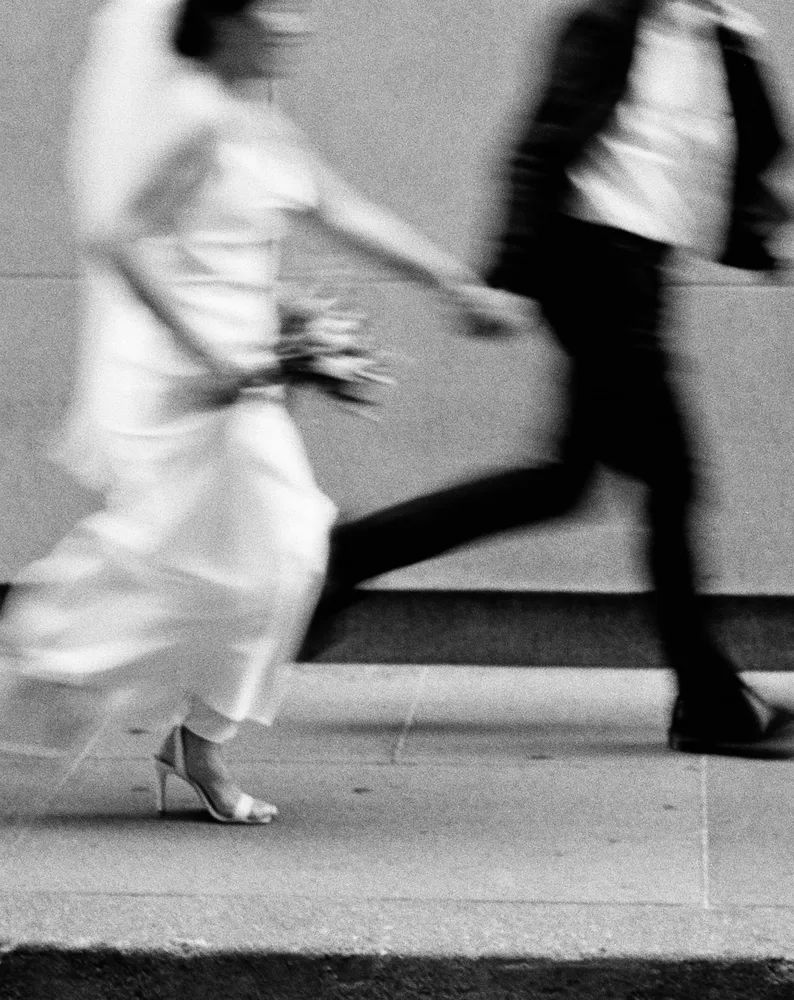
A wedding timeline isn’t just a schedule, it sets the mood for your day. A well drafted timeline keeps everyone calm, allows moments to unfold naturally, and lets you stay present from start to finish. When the timing is intentional, the day feels seamless rather than scheduled. A poorly set up timeline can leave you rushed and stressed.
Here’s how we, as planners, design timelines that actually work because they are practical and flexible.
We always begin with how you want the day to feel. Calm and slow? Lively and social? Once you know that, you can build timing that matches the energy instead of forcing it.
The most common mistake couples make is packing the day too tightly. We recommend buffer windows of at least 15 to 30 minutes between transitions like photos, travel, and outfit changes so that you can absorb delays without stress.
Hair and makeup always take longer than expected. Start early, keep breakfast light but steady, and set aside time for calm not chaos. A well-planned morning sets the tone for everything that follows.
Photographers plan around light, not time. If sunset is at 6:45 p.m., we typically suggest a 5:30 p.m. ceremony to capture golden hour glow. Working backwards ensures every shot and every moment happens in its best light.
Walk the day from your guests’ perspective. How will they move between ceremony, cocktail hour, and dinner? Are there long waits or confusing transitions? A guest-friendly schedule feels effortless for everyone.
No matter how elegant your event, hungry guests can derail the vibe. Build in light snacks, water stations, or small bites between major events.
Something will take longer than planned and that’s normal. Add ‘grace time’ so you can enjoy those spontaneous moments without watching the clock.
Don’t treat it as a new event. We time transitions with lighting and music cues: dinner fades out, playlists change, and guests shift into a new energy. Done well, it feels like a natural continuation of the night.
Read our guide on how to plan a great after-party!
You don’t need 1 timeline, you need multiple! Different groups of people require different sets of timeline.
A good timeline isn’t about fitting everything in, it’s about making space for what matters.
When couples plan with structure and flexibility, they don’t just stay on schedule; they get to be fully present. That’s the difference a planner brings: not more control, but more calm.
At Muse & Maker, we build timelines that let couples live their day, not race through it.
Planning your wedding timeline? Let’s create a schedule that gives you space to breathe and be present, not just check boxes.
Let's talk about what you don't have to carry and how we can help hold it for you.