Planning Guide
How to Plan an Indian Multi-Event Wedding
Designing a seamless multi-day celebration from Haldi to Reception
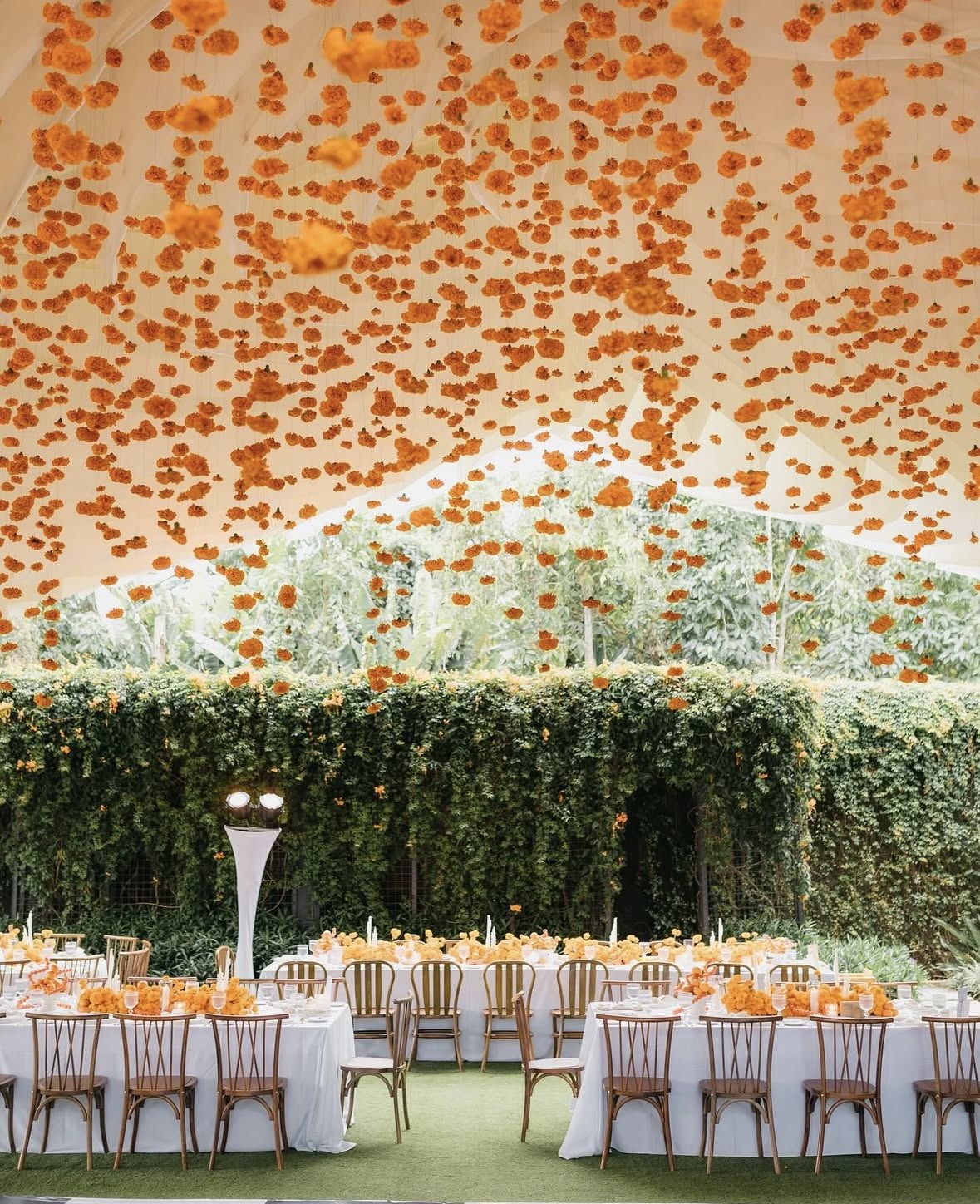
Designing a seamless multi-day celebration from Haldi to Reception
Indian weddings are never just one event. They’re a sequence of celebrations, blessings, rituals, meals, performances, and emotional moments that unfold over several days. Across Indian communities, the structure of a multi-day wedding is familiar but the names vary. Haldi / Nalangu / Thali Padayal, Mehandi / Bangle Ceremony, Engagement / Nichayathartham. Done well, each event feels like a meaningful chapter of the same story. Done poorly, it feels chaotic, exhausting, and disconnected. This guide breaks down how to design a multi-event wedding that flows beautifully and feels intentional from start to finish.
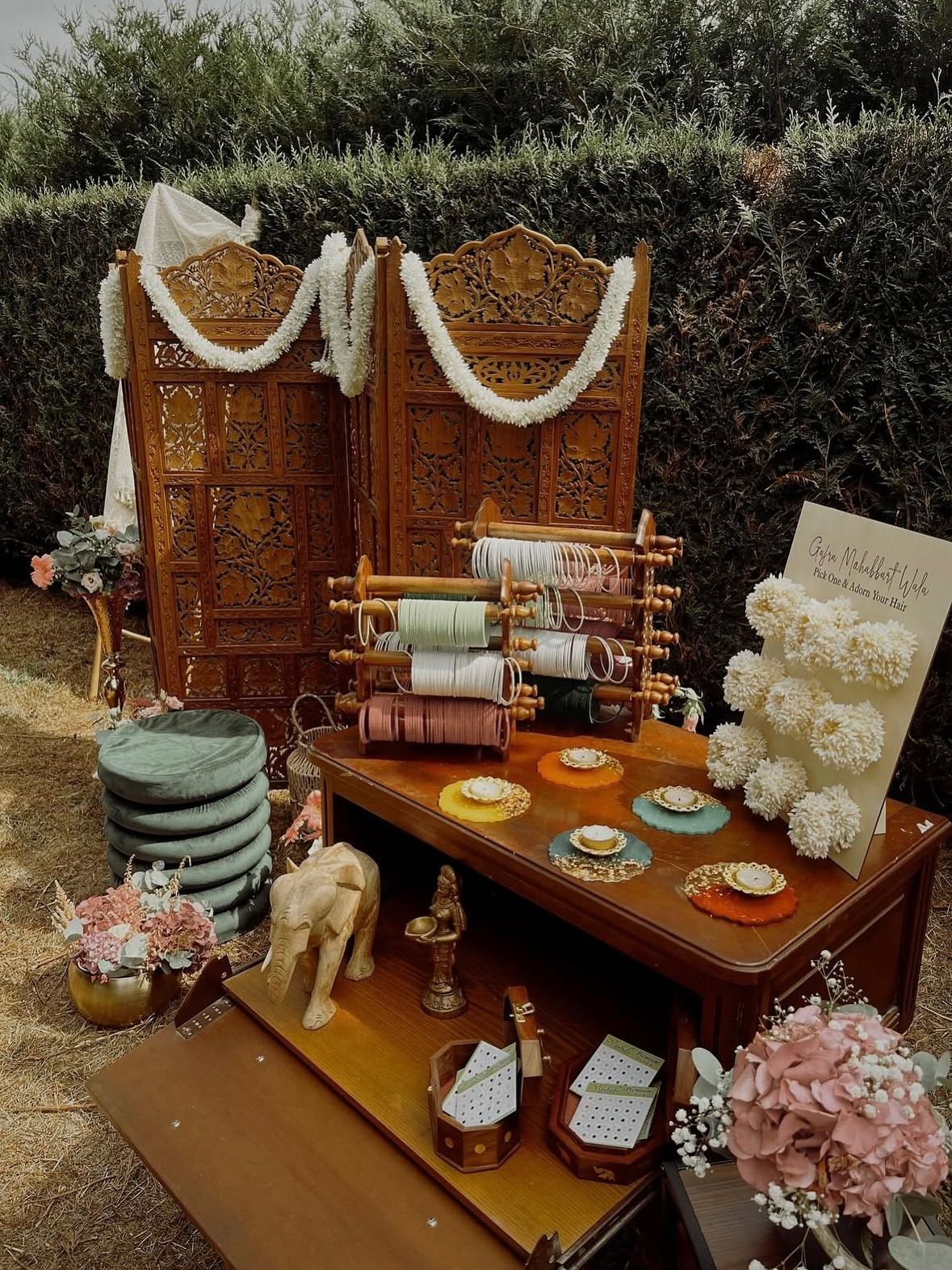
What couples often need help with isn’t understanding the rituals, but understanding how to balance them across several days. When you define how you want each event to feel and what it should accomplish, the rest of your planning becomes much more intentional.
Haldi / Nalangu / Thali Padayal: intimate, family-first, warm, usually held at home or a cosy venue.
Mehendi / Bangle Ceremony: social, colourful, interactive; needs airflow, seating, and snacks.
Sangeet: high-energy and program-heavy; requires rehearsals, sound checks, staging, and buffer time.
Engagement / Nichayathartham: formal family moment; needs structure, seating, and photography.
Wedding Ceremony: sacred and ritual-led; requires comfort, shade, space, and photography access.
Reception: glamorous, celebratory; lighting, timing, and guest flow matter most.
Knowing the purpose of each event helps you design the tone, and scale across the wedding week.
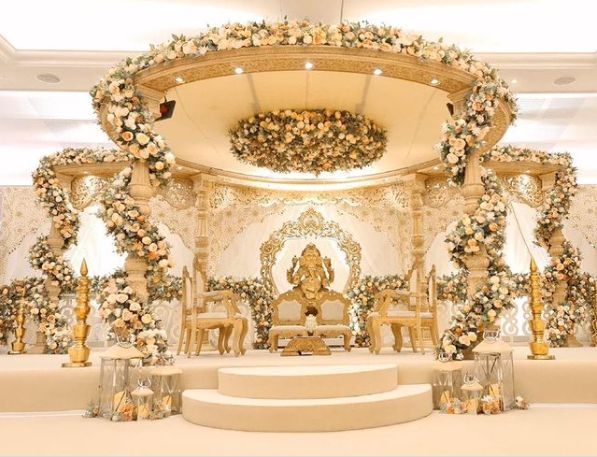
Multi-event Indian weddings often involve several venues, but too many locations create logistical strain and guest fatigue. Smart approaches include:
A. One Venue, Multiple Spaces: haldi in the courtyard, mehendi on the terrace, ceremony in the ballroom.
Benefits: minimal travel, easier logistics, consistent vendor access, décor reuse.
B. Temple + Modern Venue: ceremony in the temple, celebrations in a hotel or restaurant.
Benefits: honours tradition while giving creative freedom for other events.
C. Fully Multi-Venue Weddings: each event has its own distinct location.
Benefits: visually striking, uniquely tailored settings. Having a wedding planner to manage vendors, décor, traffic, and timelines across spaces is of great benefit.
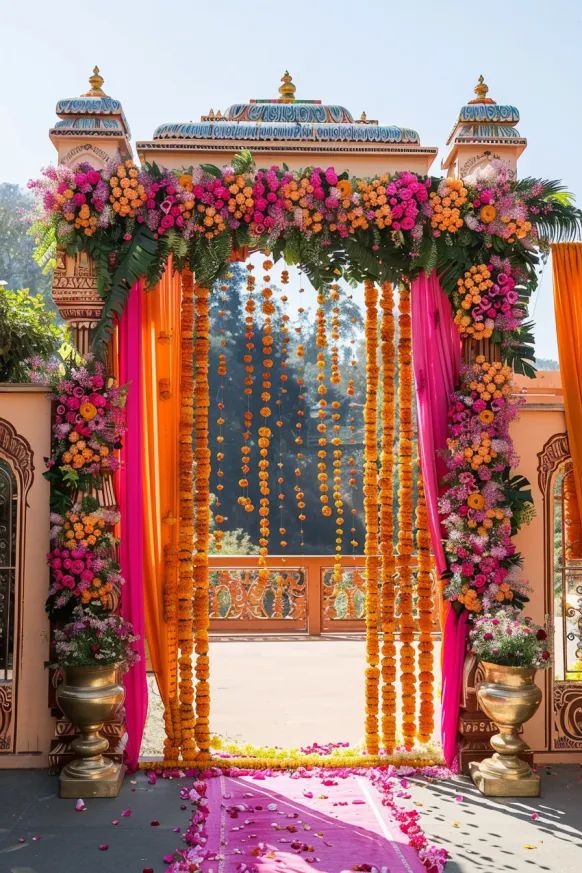
A multi-day wedding should feel connected, not like a collection of unrelated events. Ways to keep continuity:
A base colour palette that evolves from event to event.
Stationery or signage that ties each chapter of the wedding together.
Floral design that transitions from traditional to modern across days.
Outfit choices that build in drama and storytelling.
Lighting that shifts mood: warm for haldi, vibrant for sangeet, elegant for reception.
Consistent photography style for a unified visual narrative.
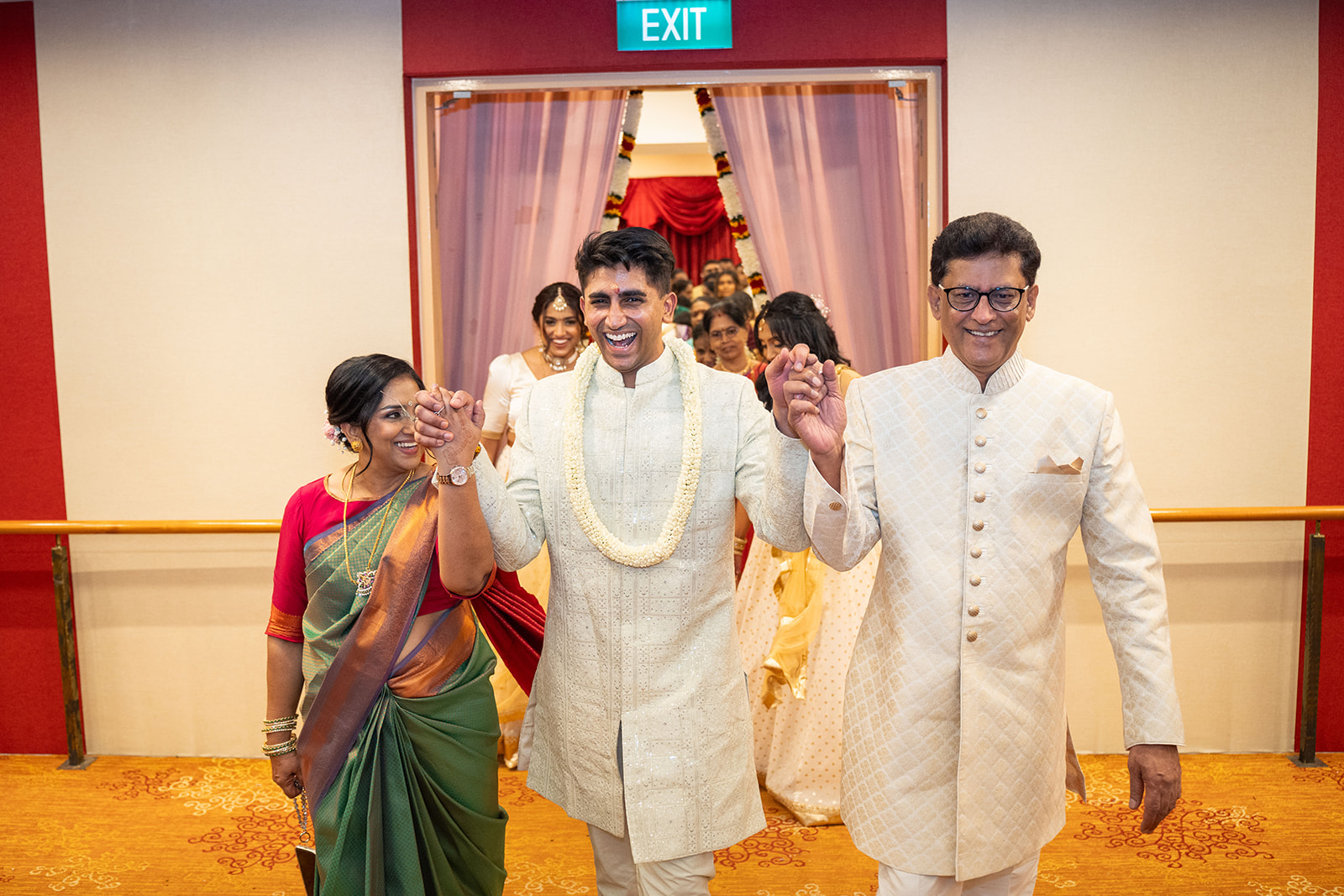
Indian wedding events naturally run long due to blessings, outfit changes, rituals, and family interactions. A realistic multi-day timeline includes:
Separate timelines for each event.
A master schedule across all days.
Vendor load-in/out windows.
Travel time with buffer (at least 1.5x the estimate).
Time for meals, hydration, and touch-ups.
Rest time for the couple between high-energy events.
Dedicated moments for elder blessings and unplanned family traditions.
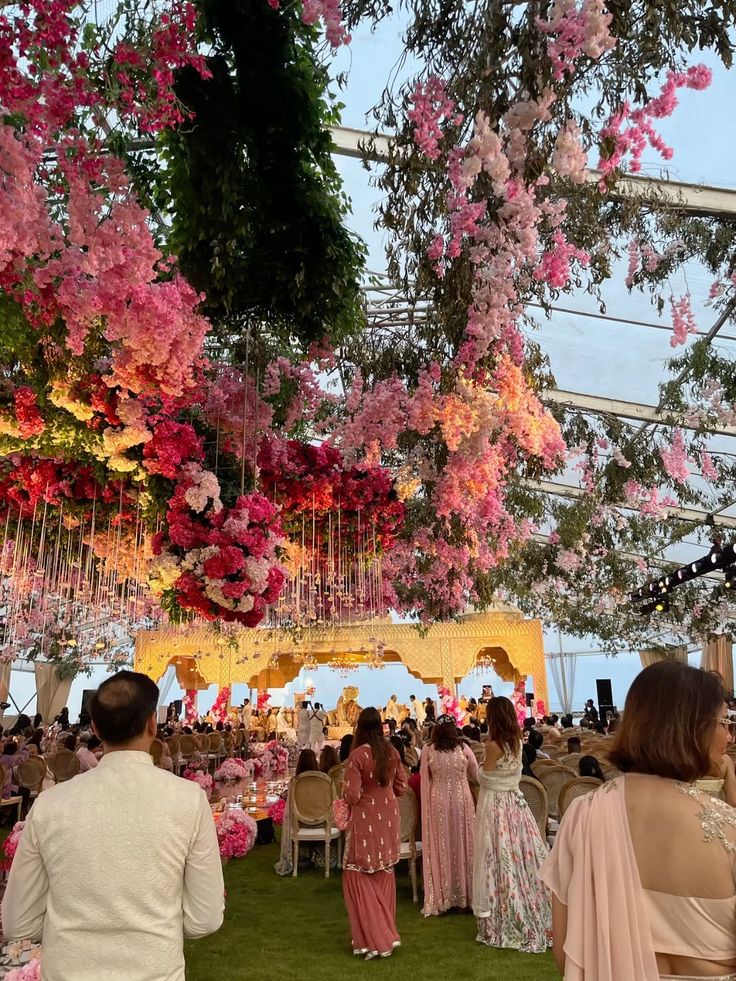
Guest experience determines how your wedding is remembered. Multi-event weddings may exhaust guests unless carefully managed. Consider:
Clear communication on the different events, especially for family and friends who are not familiar with the different events. Clearly explain the purpose of each event, dress code, colour scheme (if you have any), what they can expect, etc.
Transport/shuttles where needed.
Comfortable seating, shade, airflow, and hydration at all events.
Snacks or light food during long ceremonies.
Enough break time between events.
Thoughtful pacing so guests don’t feel rushed or overwhelmed.
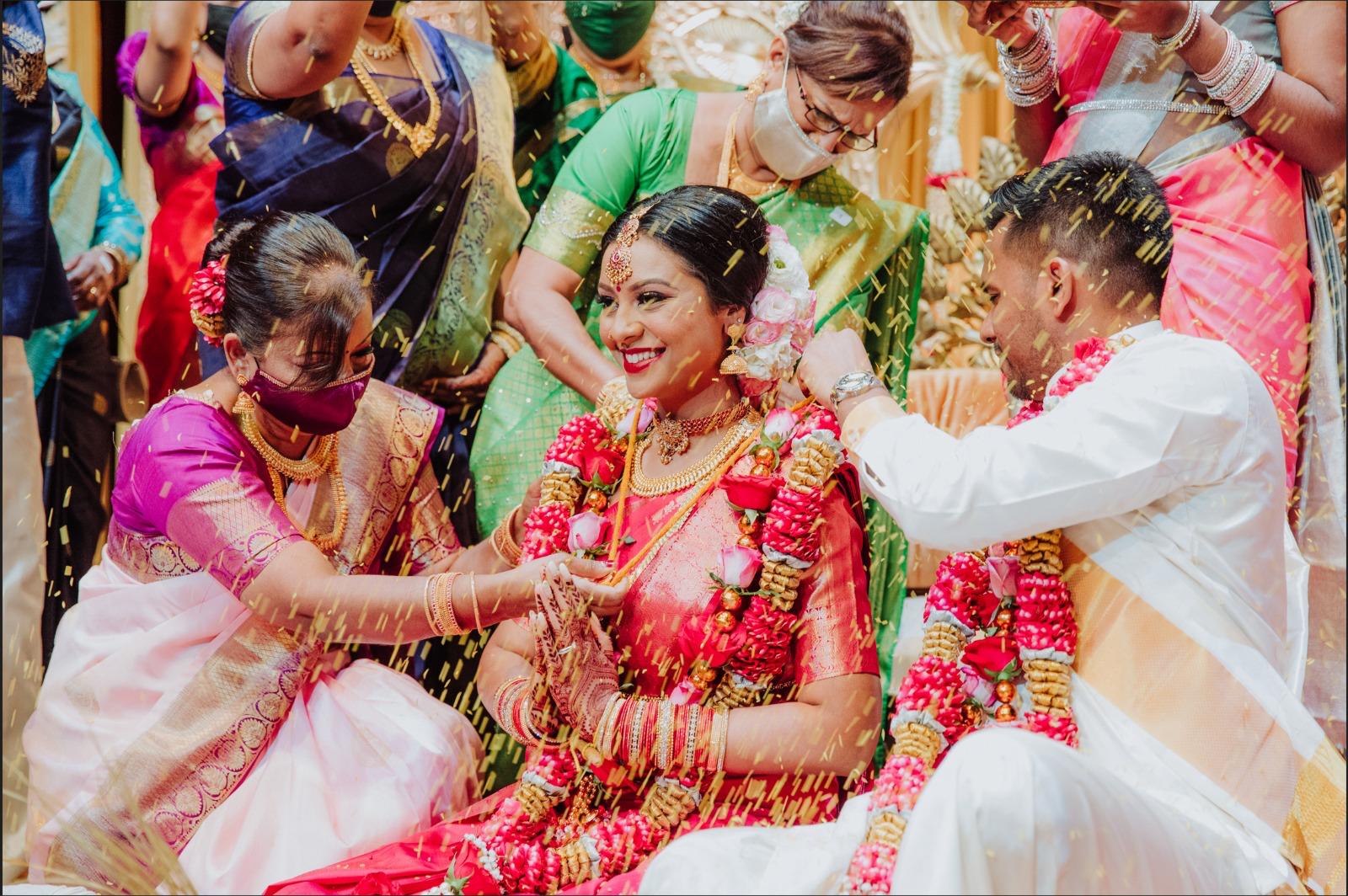
Using a consistent vendor team across events ensures smoother communication and cohesive aesthetics. Especially important for:
Photography & videography
Makeup & hairstyling
Décor
Planning & coordination
A single team understands the tone, timeline, and nuances of your wedding, reducing stress for everyone.
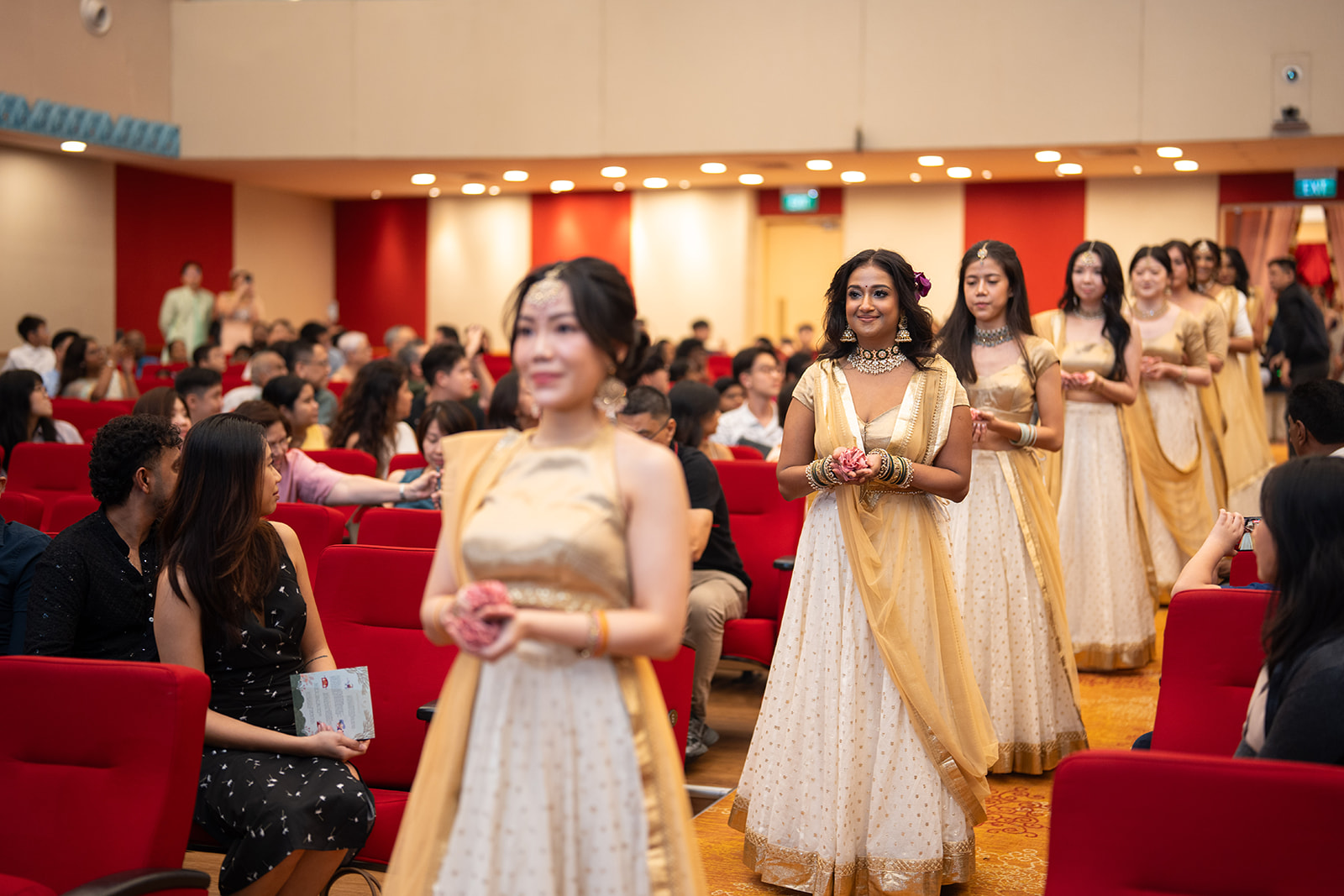
Instead of overloading every event with multiple highlights, choose one strong moment per event:
Haldi / Thali Padayal: turmeric splash moment or floral canopy.
Mehendi / Bangle Ceremony: interactive lounge and candid music.
Sangeet: Surprise dance or unique performance
Wedding ceremony: beautifully framed tying-of-the-thali moment.
Reception: signature entrance or vows.
Hero moments make events memorable without overwhelming them. And by limiting it to 1 or 2 moments per event, it does not get chaotic for you or your guests.
A multi-event Indian wedding is so much fun. With thoughtful planning, each celebration flows into the next, creating a meaningful, emotional journey for both families. Good planning transforms complexity into organisation and reduces your stress allowing you to stay present through every moment.
Planning your multi-event Indian wedding? Let’s design a celebration that flows beautifully from Haldi to Reception, creating meaningful moments at every step.
Let's talk about what you don't have to carry and how we can help hold it for you.